Most generic safari packing lists are written once and reused for every region, every season, and every body. That is why so many women arrive with three sundresses they never wear and one fleece that is not warm enough for a 6 a.m. game drive. A safari packing list for women needs to answer two questions a unisex list skips: which layers actually handle a 15-degree temperature swing before breakfast, and which items are worth the shared luggage space in a light aircraft or safari vehicle.
This guide covers real temperature ranges by region, the layering system guides recommend, fabric and color choices that matter in the bush, and the honest list of things to leave at home. It ends with a full comparison table you can check your suitcase against before you close it.
Why Temperature Swings Drive Every Packing Decision
East Africa’s safari regions sit at different elevations, and that changes what you need more than the calendar does. Morning game drives start before sunrise, when it is coldest, then run through late morning heat before you are back at camp.
| Region | Elevation | Typical Day Temp | Typical Night/Dawn Temp | Nearest Airstrip |
|---|---|---|---|---|
| Maasai Mara National Reserve | ~1,500-2,170m | 25-28°C (dry season Jun-Oct) | 10-14°C | Keekorok or Musiara airstrip |
| Amboseli National Park | ~1,150m | 28-32°C | 15-18°C | Amboseli airstrip |
| Samburu National Reserve | ~800-1,000m | 30-34°C | 17-20°C | Samburu airstrip |
| Ol Pejeta Conservancy, Laikipia | ~1,800m | 24-27°C | 8-11°C | Nanyuki airstrip |
The Laikipia plateau and the Mara escarpment run coldest at dawn, sometimes near single digits in June through August. Amboseli and Samburu stay warmer at night but hit the highest daytime numbers. Pack for the coldest and hottest point on your specific itinerary, not an average.
The Layering System That Actually Works
A three-layer system covers every region above without needing a full separate wardrobe for each stop.
- Base layer: A moisture-wicking long-sleeve top and lightweight trousers. Merino wool or synthetic blends dry faster than cotton after a dusty drive or a hand wash at camp.
- Mid layer: A fleece or light down vest for dawn drives. Down packs smaller, which matters more than warmth once you are also carrying binoculars and a camera.
- Outer layer: A packable windbreaker that also handles a light shower. Open safari vehicles create wind chill even when the air temperature reads mild on your phone.
By mid-morning you are usually down to the base layer alone. The whole point of layering over one heavy jacket is speed. You want to add or remove a piece in under a minute without leaving the vehicle.
Clothing Colors and Fabrics That Work in the Bush
Khaki, olive, sand, and muted green blend into the landscape and show less dust after a full day outdoors. These same neutral tones are also standard advice from guides across Kenya and Tanzania, so packing in this palette means fewer wardrobe changes between camps.
Two colors are worth avoiding on purpose. Dark blue and black attract tsetse flies in wooded and riverine areas, including parts of Samburu and the Mara’s forested river lines, and their bite is sharp enough to ruin a game drive. White and bright colors show dust fast and can draw the attention of wildlife at closer range than neutral tones. Bring one non-safari outfit for a lodge dinner or a Nairobi evening, but keep the drive-day wardrobe in the neutral range.
Luggage Weight Limits: The Number That Changes Your Whole List
If any leg of your trip uses a light aircraft between camps, this single rule matters more than almost anything else on a packing list. Safarilink and AirKenya, the two main domestic carriers linking Nairobi’s Wilson Airport to bush airstrips, cap checked baggage at roughly 15 kg per person, combined with hand luggage, and require soft-sided duffel bags rather than hard-shell suitcases, since hold space on a Cessna Caravan is tight and irregularly shaped.
| Item | Typical Limit or Cost (indicative) | Why It Matters |
|---|---|---|
| Checked baggage, light aircraft | ~15 kg total, soft duffel only | Hard cases often will not fit the hold |
| Excess baggage fee | Roughly $2-3 per kg over limit, or space-available only | Some flights simply cannot take the overflow, at any price |
| Camp laundry service | Often free or a few dollars per item at most tented camps | Reduces how much clothing you need to carry |
| Road-only itinerary allowance | Usually no strict weight cap | Still pack light for shared vehicle space |
Because most camps offer same-day or next-day laundry, often included in the rate, you rarely need more than 4-5 days of clothing even on a 10-day trip. That single fact does more to shrink a woman’s safari packing list than any individual gear choice.
What to Skip: Items Experienced Travelers Leave Behind
A few categories consistently come back unused, according to camp staff who see the same overpacked duffels every week.
- Multiple pairs of jeans: heavy, slow to dry, and too warm for midday heat in Amboseli or Samburu.
- A hair dryer: most camps run on generator or solar power with limited sockets, and voltage varies.
- High heels or dress shoes beyond one packable pair: game drive terrain and gravel paths make them impractical.
- A full skincare routine’s worth of glass bottles: decant into travel sizes, since dust and heat degrade products fast anyway.
- Camouflage-pattern clothing: it is restricted for civilians in Kenya and several neighboring countries, and can cause problems at checkpoints.
Explorer Notes
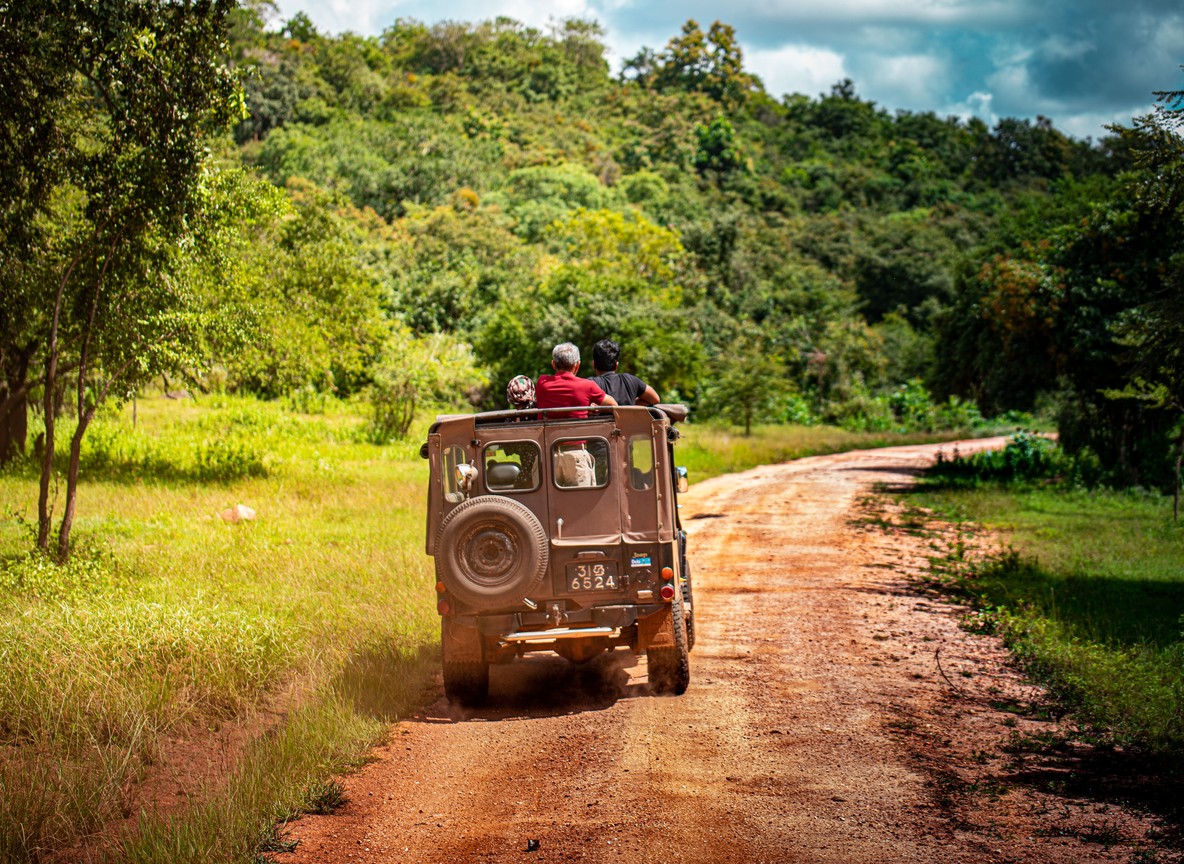
A detail rarely covered in general packing guides: pack a lightweight sarong or sturdy scarf, not for style, but as a working tool. It doubles as a picnic-lunch cover in the vehicle, a dust guard over your bag on gravel roads, and modest coverage at community visits near Maasai villages bordering the Mara, where longer hemlines are appreciated even though nothing is legally required.
Also worth knowing: most tented camps light the path between the mess tent and your room after dark, but an askari (camp guard) escort with a hand torch is standard practice, not a sign of danger. Bring your own compact headlamp anyway. Fumbling for a phone flashlight while carrying a wine glass back from dinner is a small but common complaint from first-time women travelers.
Finally, a wide-brimmed hat with a chin cord earns its space more than almost anything else in the bag. Open-vehicle wind at 30-40 km/h during transit between sightings will take a loose sun hat off within the first hour.
Safari Packing List: What to Bring vs What to Skip
| Category | Bring | Skip |
|---|---|---|
| Tops | 3-4 long-sleeve moisture-wicking shirts | More than 2 short-sleeve cotton tees |
| Bottoms | 2-3 pairs quick-dry trousers or convertible pants | Multiple pairs of jeans |
| Layers | 1 fleece or down vest, 1 packable windbreaker | A single heavy winter coat |
| Footwear | 1 pair closed walking shoes, 1 packable sandal | Heels, dress shoes, flip-flops as primary footwear |
| Colors | Khaki, olive, sand, muted green | Dark blue, black, bright white, camouflage print |
| Extras | Headlamp, sarong or scarf, wide-brim hat with chin cord | Hair dryer, full-size toiletries, more than one evening outfit |
| Luggage | Soft-sided duffel under 15 kg for light-aircraft legs | Hard-shell suitcase on any fly-in itinerary |
Frequently Asked Questions
What colors should women avoid packing for a Kenya safari? Avoid dark blue and black, since both attract tsetse flies in wooded areas like parts of Samburu and the Mara’s riverine forest. Skip bright white and camouflage prints too, the first for dust and visibility, the second because it is restricted for civilians in Kenya.
How many outfits do I actually need for a 7-day safari? Around 4-5 days of drive-day clothing is enough, since most tented camps offer same-day or next-day laundry. Add one non-safari outfit for evenings.
Do I need different clothes for the Mara versus Amboseli? The core layering system works everywhere, but Amboseli and Samburu run hotter and stay warmer overnight than the Mara or Laikipia, so pack slightly lighter mid-layers for those legs and reserve your warmest fleece for cold-dawn regions.
What is the luggage weight limit if my trip includes a light aircraft flight? Safarilink and AirKenya, the main domestic carriers from Nairobi’s Wilson Airport, generally cap baggage around 15 kg per person in a soft-sided duffel. Hard suitcases often will not fit the aircraft hold at all.
Is there a dress code for visiting a Maasai village near the Mara? Nothing is legally required, but longer hemlines and covered shoulders are appreciated at community visits. A packable sarong or scarf covers this without needing a separate outfit.
Ready to match your packing list to your actual route? Visit our Tour Packages page to see which camps and airstrips your itinerary uses, so you can pack for the real elevation and season, not a generic average.
What to Read Next
- Building the rest of your kit list? See our ultimate Kenya safari packing guide.
- Heading specifically to the Mara? Read our what to wear in Masai Mara guide.
- Traveling solo or in a women’s group? Check our women-only group safaris in Kenya guide.